
Learning led by children,
powered by research.
EdTechXR is built on extensive research into how neurodiverse children actually learn. We study different learning methods, run memory-retention tests across learning groups, and let children guide the direction. Every experience is shaped by evidence — and constantly refined through R&D.
What we are
We build immersive learning experiences for neurodiverse children.
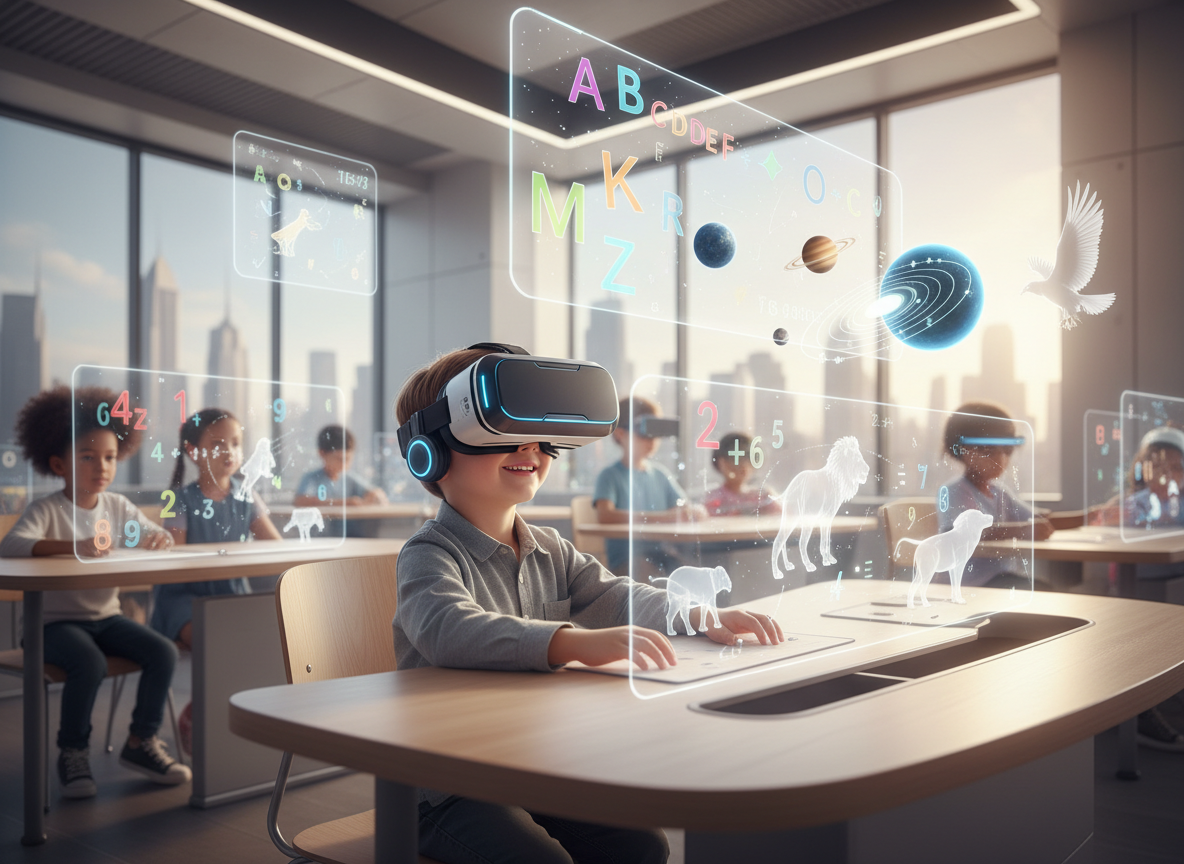
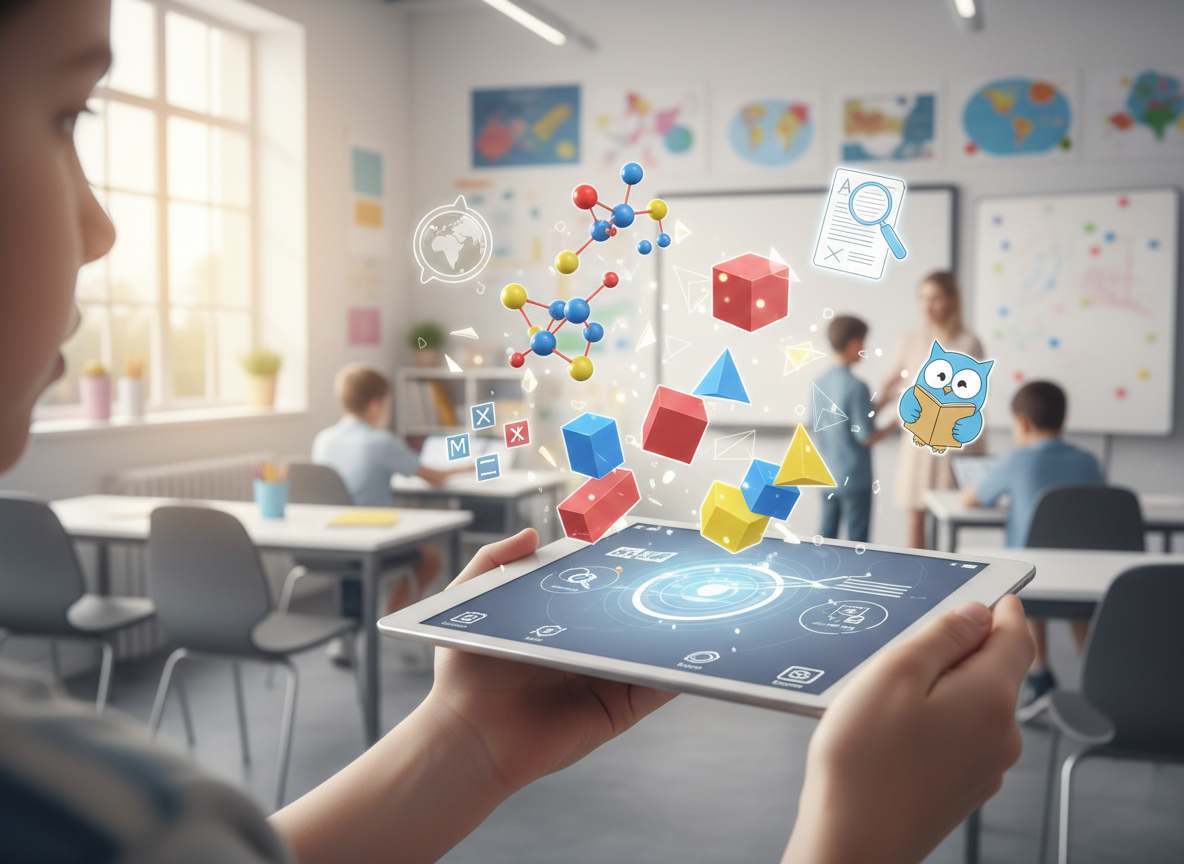
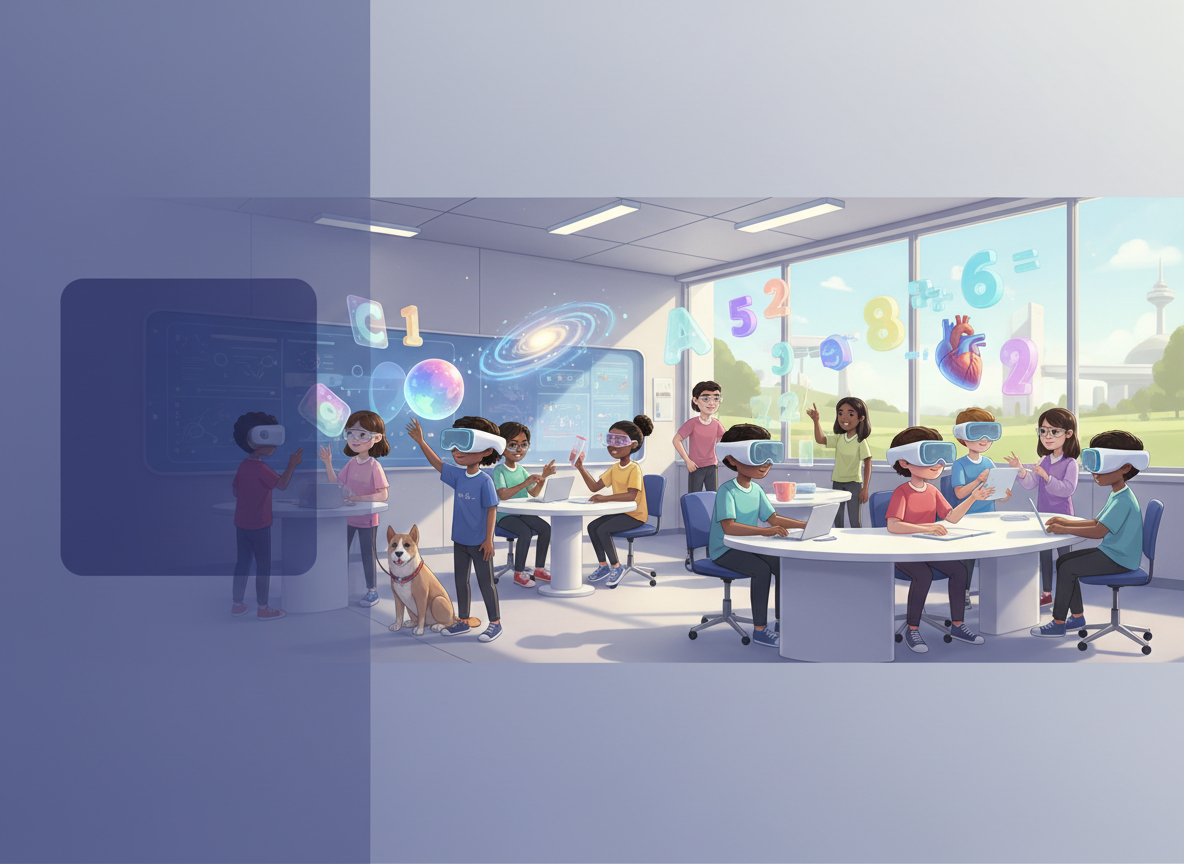
EdTechXR uses Extended Reality — virtual reality, augmented reality, and mixed reality — to create interactive, multi-sensory learning environments. Every experience is designed specifically for children who learn differently: those with autism, ADHD, dyslexia, dyspraxia, sensory processing differences, and other neurodiverse profiles.
We're not a tech company that happens to work in education. We're an education initiative that uses technology as a tool. The child always comes first — the technology serves them, not the other way around.
Curriculum-aligned
Every experience maps to national curriculum objectives. Same learning goals, different delivery.
Sensory-adjustable
Brightness, sound, motion, and complexity can all be tuned to suit each individual learner.
Multi-sensory
Visual, auditory, and kinaesthetic learning pathways — so every child can access content their way.
Safe & supervised
Designed for use with trained adults present. Short sessions, clear structure, safeguarding-first.
Why we do it
More than 1 in 4 people in the UK are neurodiverse.
The education system isn't built for them.
That's over 15 million people. From mild differences in how they process information, to more significant support needs — neurodiversity is the reality of every classroom. And teachers are stretched to breaking point trying to support every child with the tools they have.
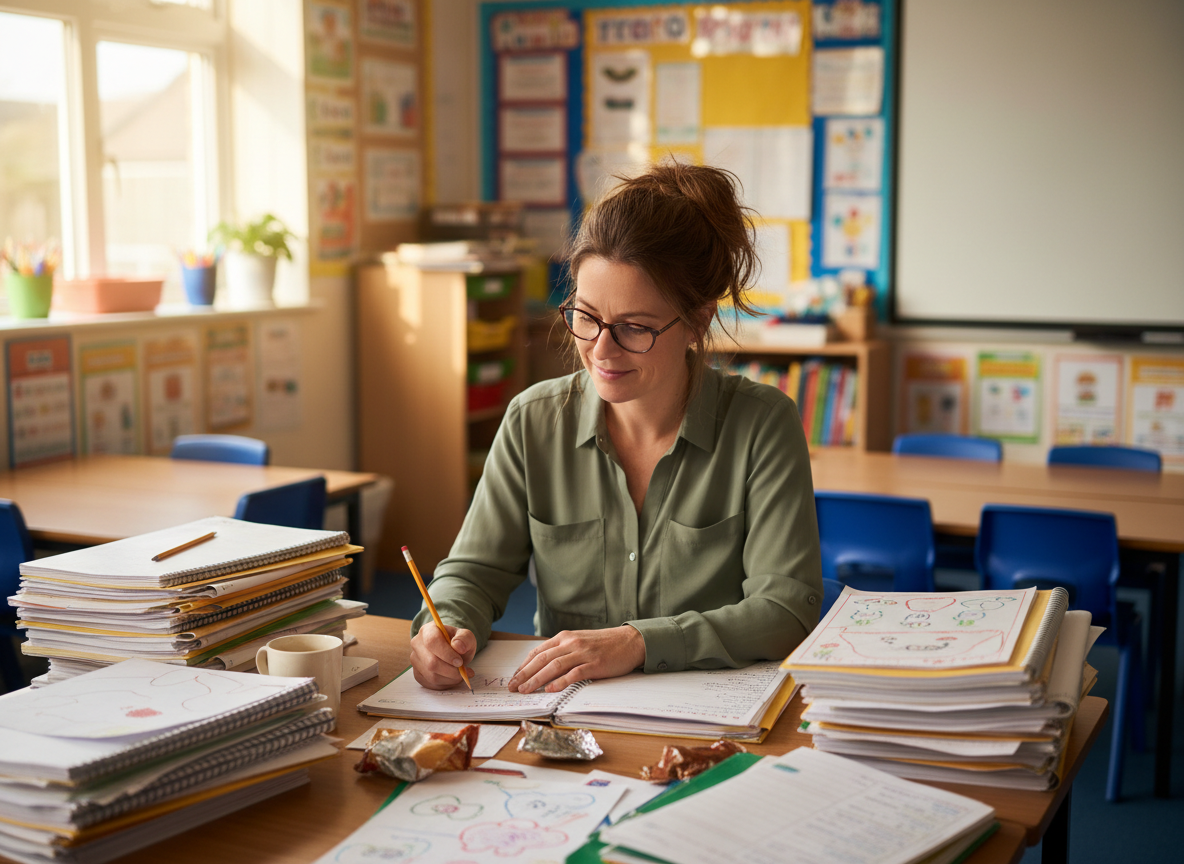
Teachers care deeply. The system doesn't give them the tools.
78% of teachers say they lack time to differentiate effectively. Growing class sizes, increasing SEND referrals, and limited support staff mean children fall behind — not because teachers don't care, but because the system is broken.
Technology for social good.
XR isn't just the next shiny gadget. We're harnessing this emerging technology specifically to serve those who are under-served — the children who learn differently, the teachers who are stretched too thin, and the communities that have been left behind by a system designed for the average learner.
There is no average learner.
We exist because every child deserves to learn in a way that works for their brain — and because teachers deserve tools that actually help.
How we do it
Child-led design. Rigorous research. Constant R&D.
We don't assume what works — we test it. Our approach puts children at the centre of every design decision, validates through research and memory testing, and improves through constant iteration. We never stop learning, and we never build in isolation.
Child-led design
Children aren't passive users — they're co-designers. We observe how learners naturally interact with XR, listen to their feedback, and let their responses shape the next iteration. If a child finds a better way to learn, we follow their lead.
Memory retention testing
We run structured memory tests across different learning groups to understand what sticks — and why. Visual learners, auditory learners, kinaesthetic learners: each group retains information differently.
Learning method analysis
We study a wide range of learning methods — visual scaffolding, auditory narration, hands-on manipulation, multi-sensory combinations — to understand which approaches work best for different neurodiverse profiles.
Built with the people who understand neurodiversity best.
We partner with neurodiversity charities, SEND specialists, and academic researchers who provide constant feedback and testing of our technology. Every feature, every interaction, every sensory setting has been reviewed by people with lived experience of neurodiversity.
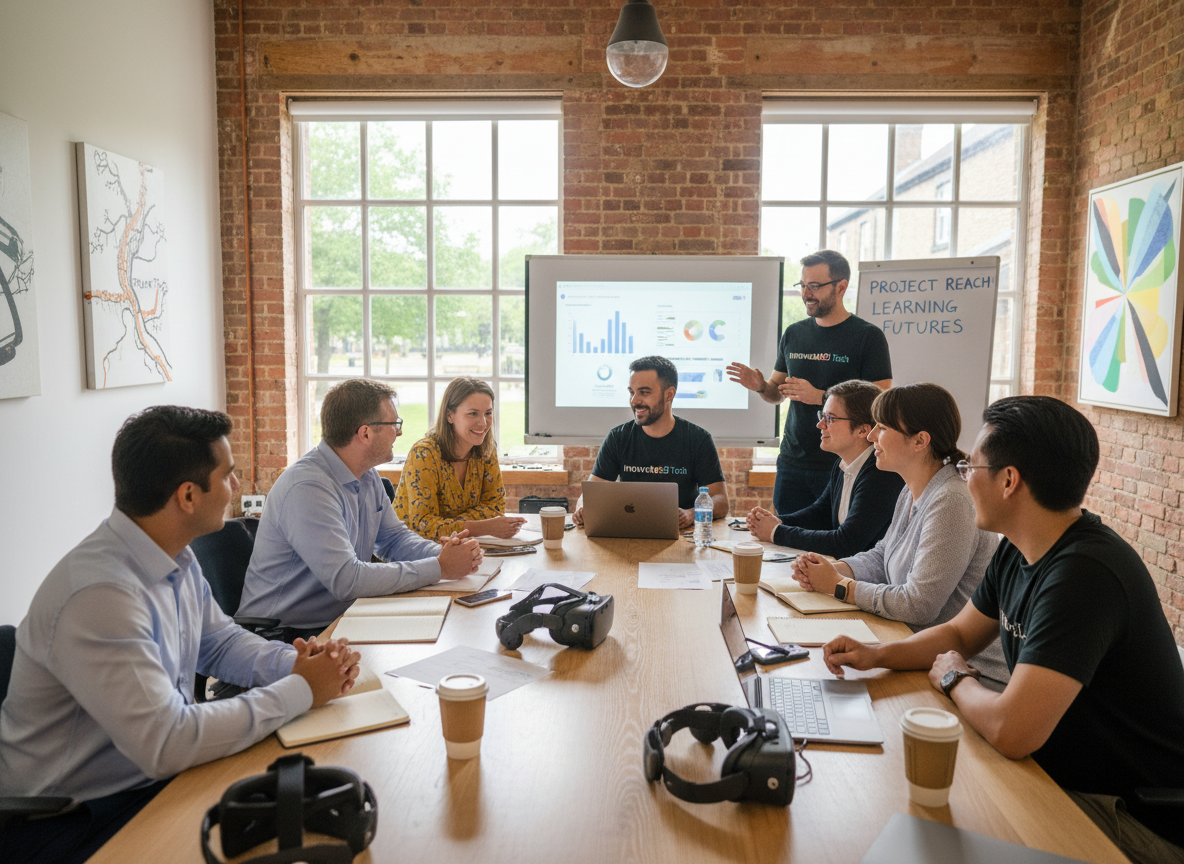
Our R&D cycle never stops.
Every pilot, every piece of feedback from our charity partners, every research finding feeds directly back into the next version. We build, test, learn, and improve. Continuously.
What's the results
Real data. Real children. Real impact.
Our pilot programmes produce measurable outcomes. Every number below represents real children, real teachers, and real classrooms — not theoretical projections.
XR learners retained 3.2× more than text-only control groups in structured memory tests.
Compared to traditional worksheet-based learning methods across pilot programmes.
Of pilot teachers said XR reduced their differentiation workload significantly.
Learning retention: XR vs traditional methods
Based on EdTechXR pilot programme data across 500+ learners, measured at 7-day recall intervals. Multi-sensory XR consistently outperforms every other delivery method.
Based on EdTechXR pilot programme data across 500+ learners
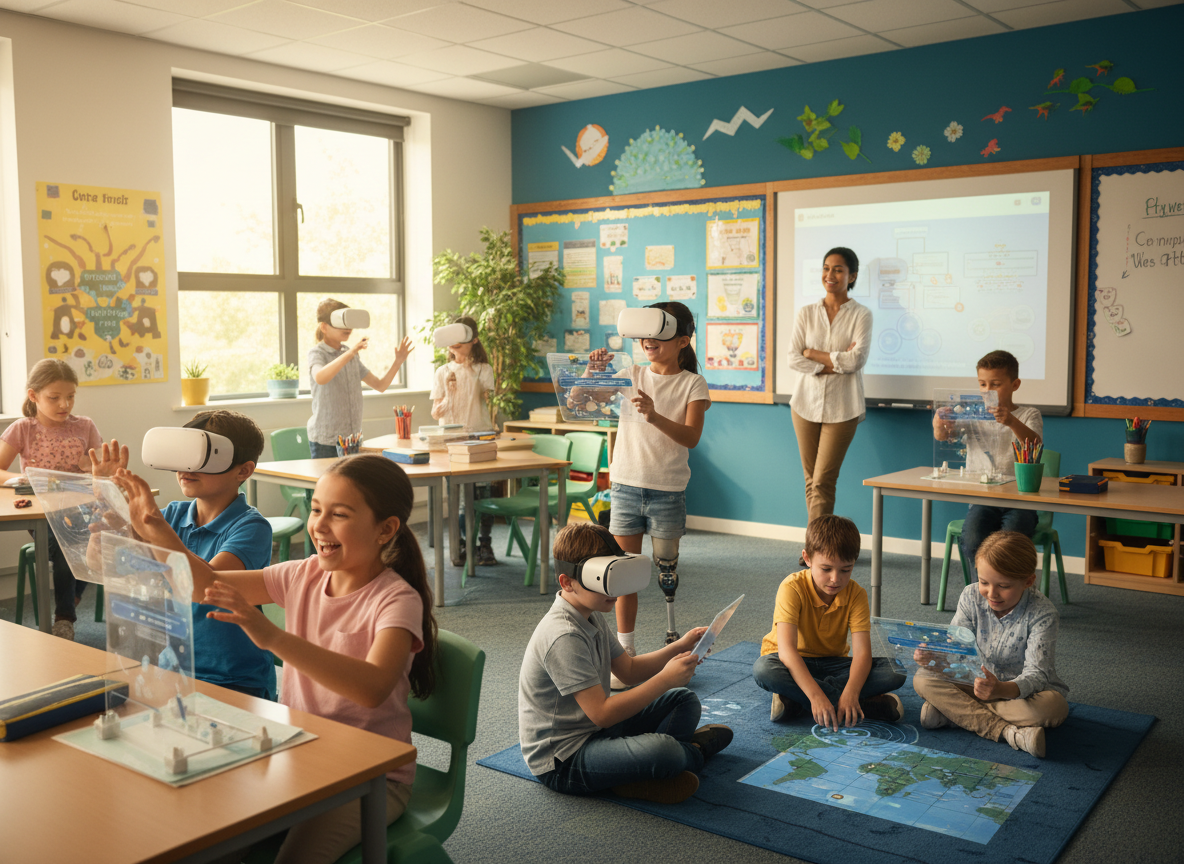
Across memory retention, engagement, and learning method effectiveness
Providing constant feedback, testing, and real-world validation
Real learners testing real experiences in real classrooms
Same curriculum. Different pathways. Better outcomes.
EdTechXR follows the national curriculum. The learning objectives are identical. The difference is how the content is delivered. XR offers alternative learning methods at different paces, so that learning outcomes are better met — without adding to teacher workload.
Same learning goals
Aligned to national curriculum standards. Same outcomes, different pathways.
Self-paced learning
Children progress at their own speed. No child left behind, no child held back.
Teacher stays in control
You set the goals. XR handles differentiation. You focus on the children who need you most.
How can you get involved
This is an open invitation.
EdTechXR is an ongoing R&D effort — and we believe the best outcomes come from collaboration. Whether you're a school, a researcher, a charity, or a developer, there's a way to contribute to what we're building.
Schools & MATs
Run a pilot programme with your learners. We provide the equipment, training, and support. You provide the children and the curriculum goals. Pilots are free for partner schools.
Start a pilotResearchers
Collaborate on studies into XR learning, memory retention, and neurodiverse education. We share data openly and welcome joint publications.
Propose researchNeurodiversity charities
Help us test, validate, and improve our technology. Your lived experience and community insight is essential to building something that genuinely works.
Partner with usSEND specialists
Advise on sensory design, communication needs, and accessibility. Your expertise ensures our experiences are safe, appropriate, and effective.
Share your expertiseXR developers
Build with us. We're always looking for developers who want to use their skills for social good — creating experiences that make a real difference.
Join the buildTherapists & OTs
Guide our sensory and motor interaction design. Help us create experiences that support regulation, coordination, and wellbeing alongside learning.
CollaborateSee what XR learning looks like.
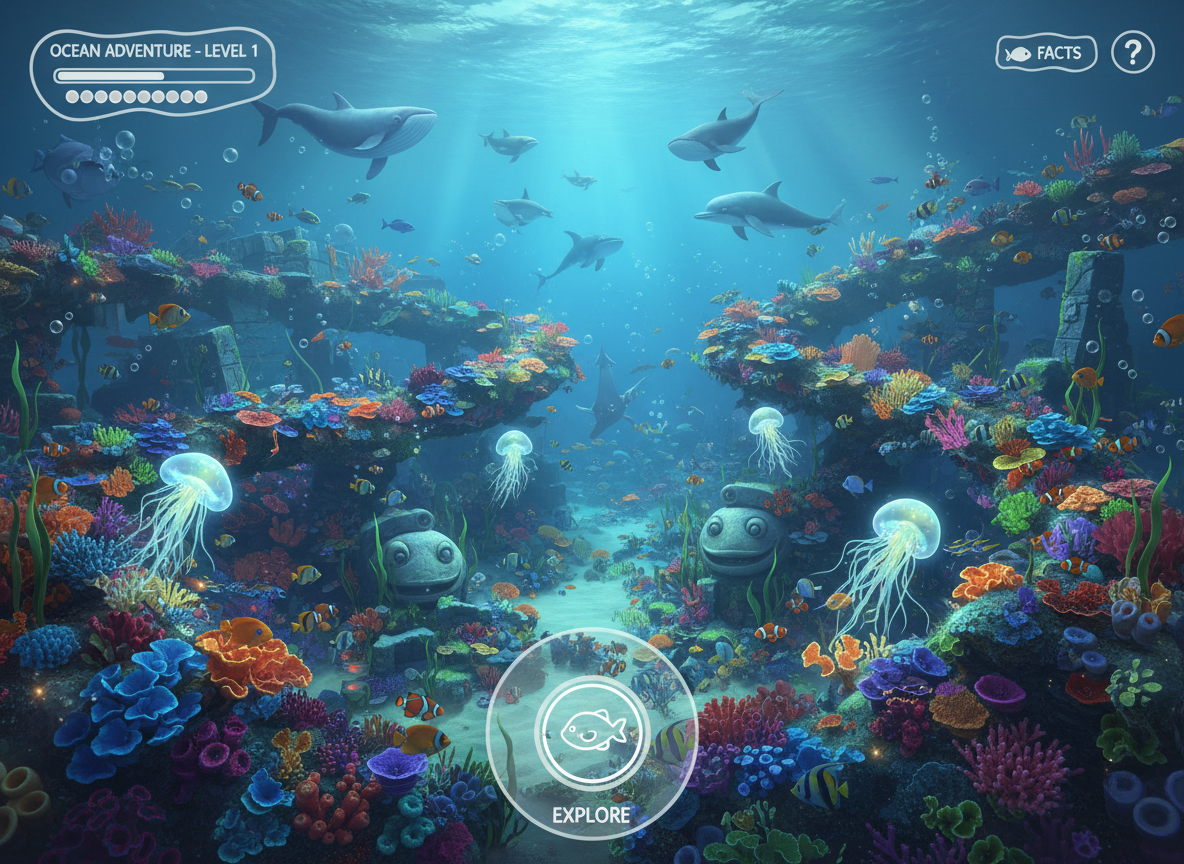
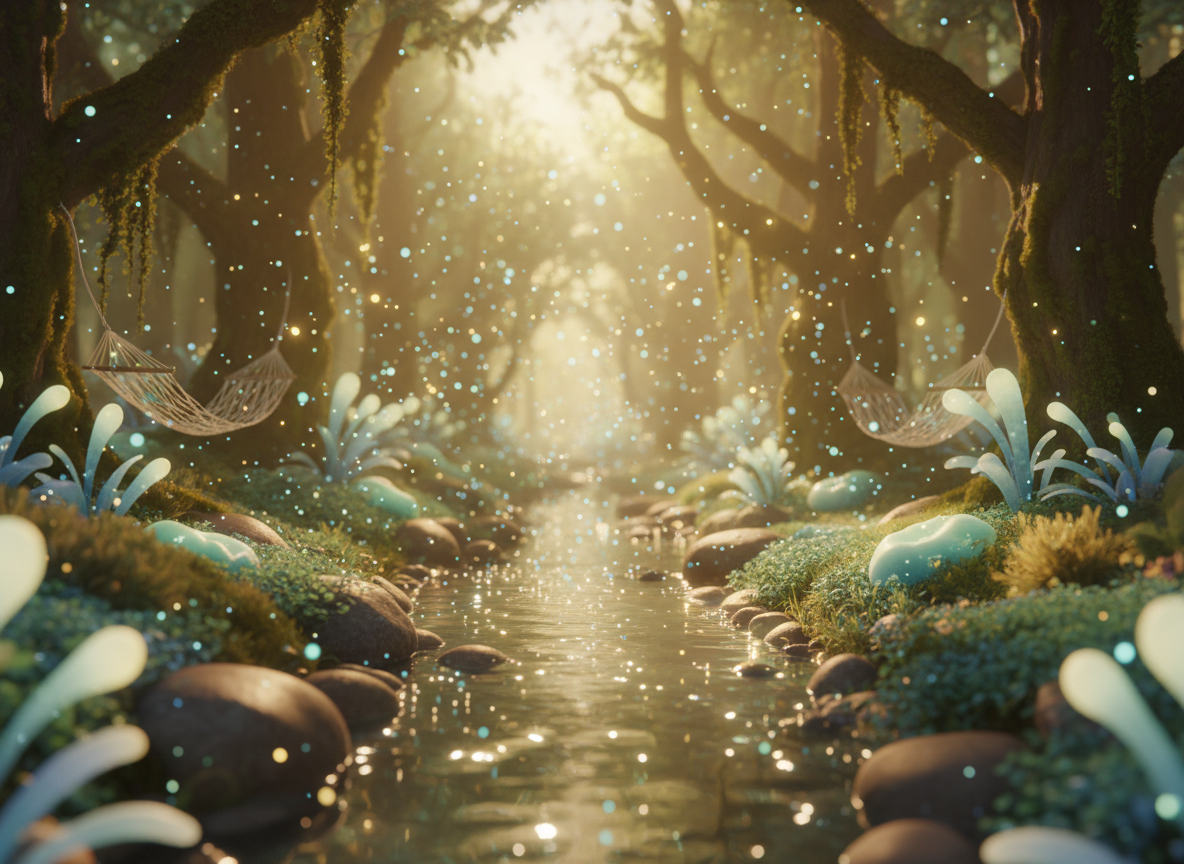
Explore our library of example experiences — from ocean discovery to sensory regulation forests. Each one is designed for neurodiverse learners, aligned to the national curriculum, and adjustable to individual needs.
Join us in shaping the future of inclusive learning.
Tell us who you are, what you're trying to achieve, and who you're supporting. We'll respond with a practical next step.